

The Flamingo missile was described as a game changer in late 2025: a domestically produced, low-cost weapon carrying enough explosives to damage hardened structures and cripple entire sectors of the Russian industry.
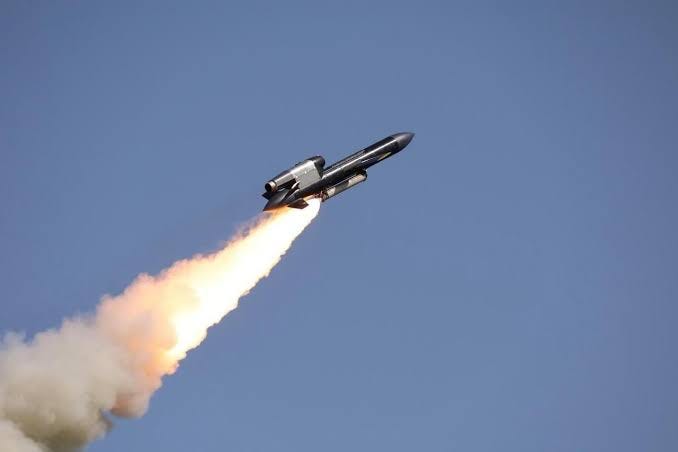
What has it really achieved so far?
By analysing multiple sources and cross-referencing reports, it is possible to confirm that production has ramped up significantly. However, it is no understatement to emphasise that this weapon system has underperformed.
With a documented hit rate of approximately 6-8%, its effectiveness has been poor. A weapon system so large, bulky and slow, with a high radar signature is also, as expected, a relatively easy target for modern air defense.
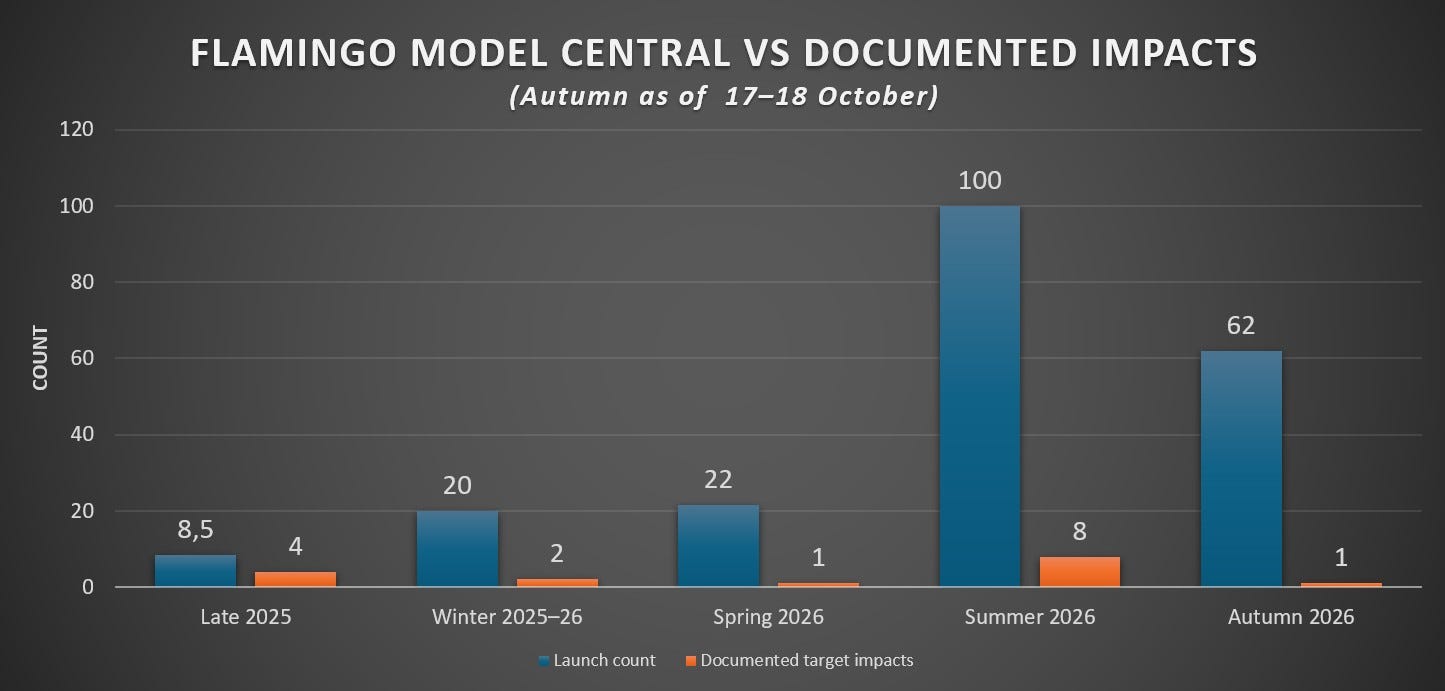
Its autonomy initially enabled complex flight paths, exploiting terrain features at low altitude, which proved effective and allowed it to strike a few targets. However, Russian air defences rapidly adapted, and since September, only one recorded hit can be documented: the Volgogradpromproekt chemical plant in Volgograd, where satellite images indicate that an office building on the plant’s premises was destroyed, rather than a production line.
Since July, approximately 120 missiles have reportedly been launched (190-220 in total), which, at an average cost of $600,000 per launch, amounts to $72 million.
This resulted in hits on the Volgograd plant, as well as the Progress Rocket and Space Centre in Samara and the Avitek defence plant in Kirov.
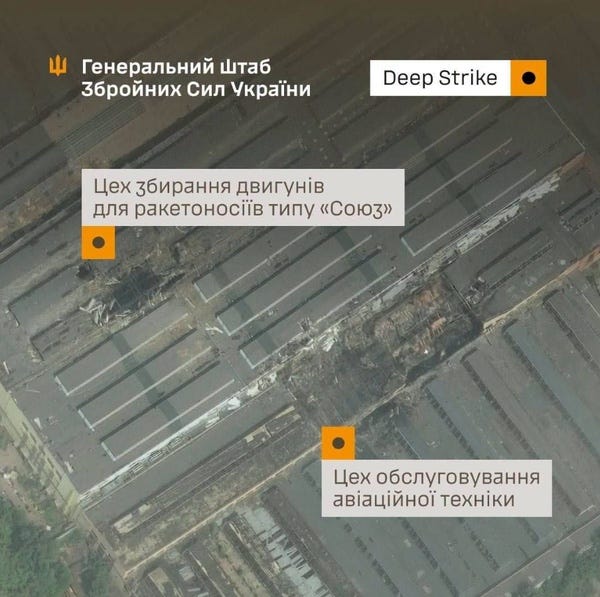
As it happens, there is already evidence that the strikes on the space centre in Samara did not disrupt rocket production to date. One missile hit an aviation repair plant and the second an assembly bay, likely damaging equipment stored there. However, contrary to initial claims, this is a fairly standard industrial environment whose functions can be relocated. An analysis published by The Space Review concludes:
“This should have no significant effect on Soyuz-2 production.”
“The missile that wreaked most of the havoc accidentally landed on a neighboring, possibly abandoned facility owned by Aviakor. While it seems to have caused some superficial damage to what is believed to be Bay 1 of the Soyuz-2 assembly building, this should have no significant effect on Soyuz-2 production. The second missile punched a hole through the roof of what appears to be Bay 2 of the building, with some scattered debris also visible on other parts of the structure”
As for the Avitek plant, one workshop was apparently destroyed. The fact that these workshops are compartmentalised within the facility mitigates the overall damage to the plant. Production seems to have continued normally after a short adjustment period.
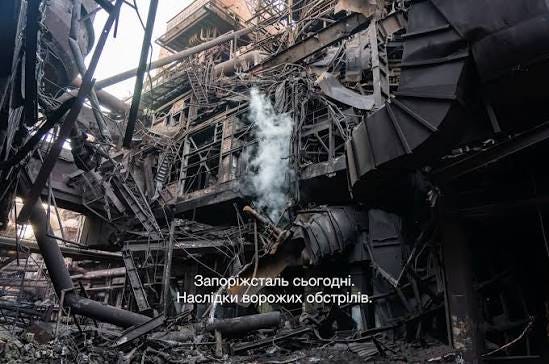
The lesson is that destroying large industrial sites spanning several square kilometres, to the point where production operations must cease entirely and cannot be resumed, requires significantly greater destructive power. The Russians finally managed to cripple the Ukrainian steel industry after five years of war, once they became capable of repeatedly striking industrial plants with salvos of four to eight ballistic missiles over several consecutive days. The resulting loss in assets has been estimated in the billion $ range.
Overall, since summer, there are limited results to show for the $72 million invested in these launches. The expenditure per confirmed target impact is close to $15 million, raising question about the cost effectiveness of the entire program in light of the damage inflicted and its limited operational effects.
Whether the total burden imposed on Russia, both in terms of air defence interceptions and damage inflicted, exceeds the cost of the missiles remains unclear. However, any weapon system that fails to impose significantly higher costs on Russia than those incurred in its deployment should have its role within the broader weapons portfolio reassessed, with funding potentially reallocated to more effective alternatives.
Regarding production, actual output appears to remain three to four times below the claimed levels. Fire Point stated as early as October 2025 that it was producing two to three missiles per day, a rate that does not appear to have been reached to this day. Launch data point towards a possible current production level of one missile per day, allowing a steady rate of 30 launches per month. It is doubtful, considering the current massive Russian strike campaign that is overwhelming Ukrainian air defences, that any significant stockpile is being built up over extended periods of time. The risk of production and storage sites being targeted is likely too high.
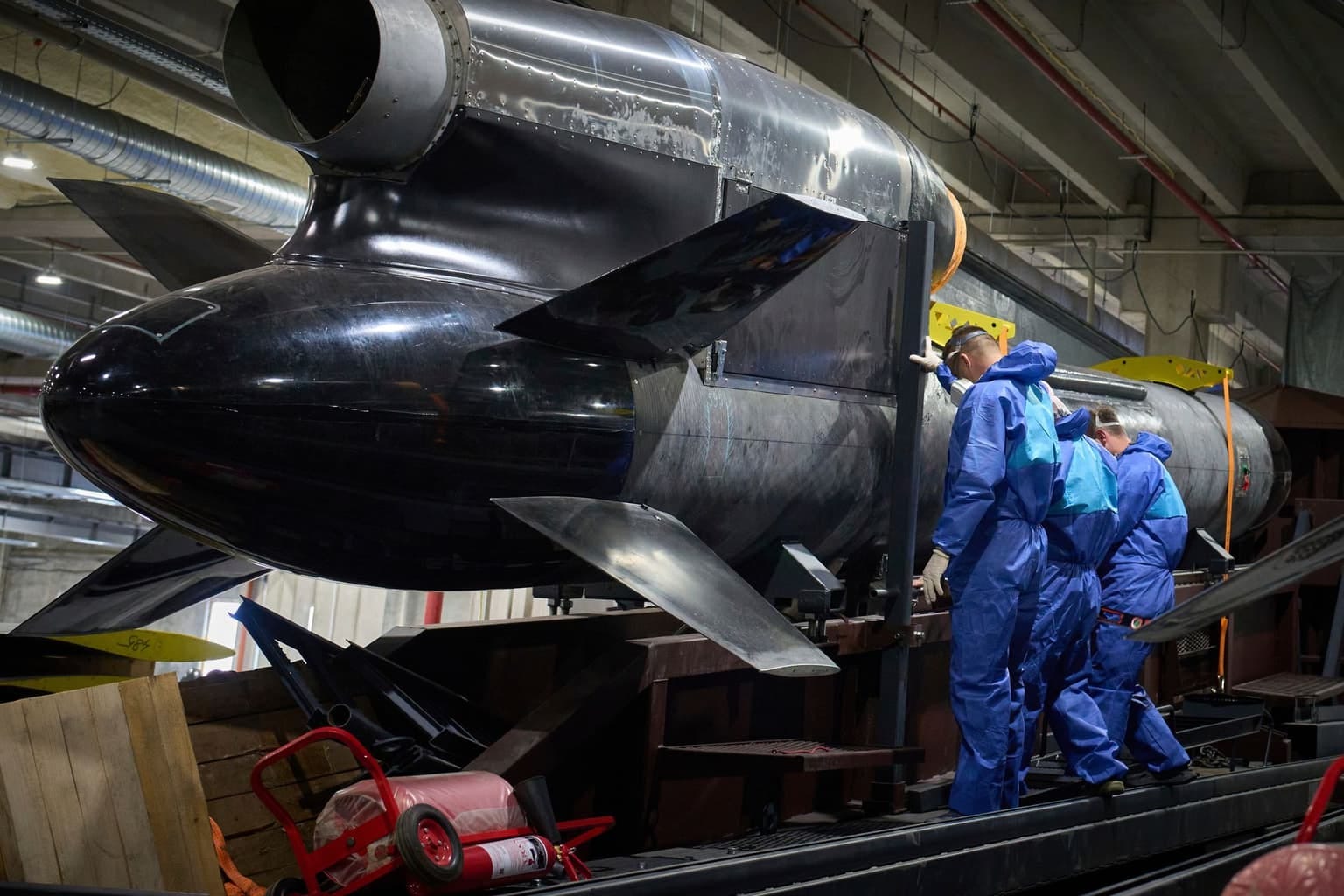
This summer, in The Guardian, Fire Point’s CEO announced a production rate of 100 missiles per month, but actual output is likely closer to 100 per quarter at present.
The launch frequency pattern confirms a large spike since June 2026, from approximately 7 per month to 30 per month, suggesting that the main production line became operational during spring, while only the test production line had been available until then. Interestingly, increased launch tempo has not resulted in higher hit rate. On the contrary, it has steadily declined.
While the development of the Flamingo remain a significant achievement for Ukraine, it has not translated into operational military impact and its effectiveness remains far below the expectations generated at its unveiling in 2025.
Caveat:
The count is aggregated from TASS, the Ukrainian MoD, Fire Point and other OSINT sources, and is therefore not official. It aims to provide an estimated average.
Production rates are inferred from launch counts and can differ from reality.
Seems that UAE missiles rebranded as "MILFtech" are more effective at enriching Ze's clan than actually striking Russia.
Interesting if not surprising. I am assuming theFlamingo rocket production facilities are very well hidden to avoid Russian attacks?